 Skip to content
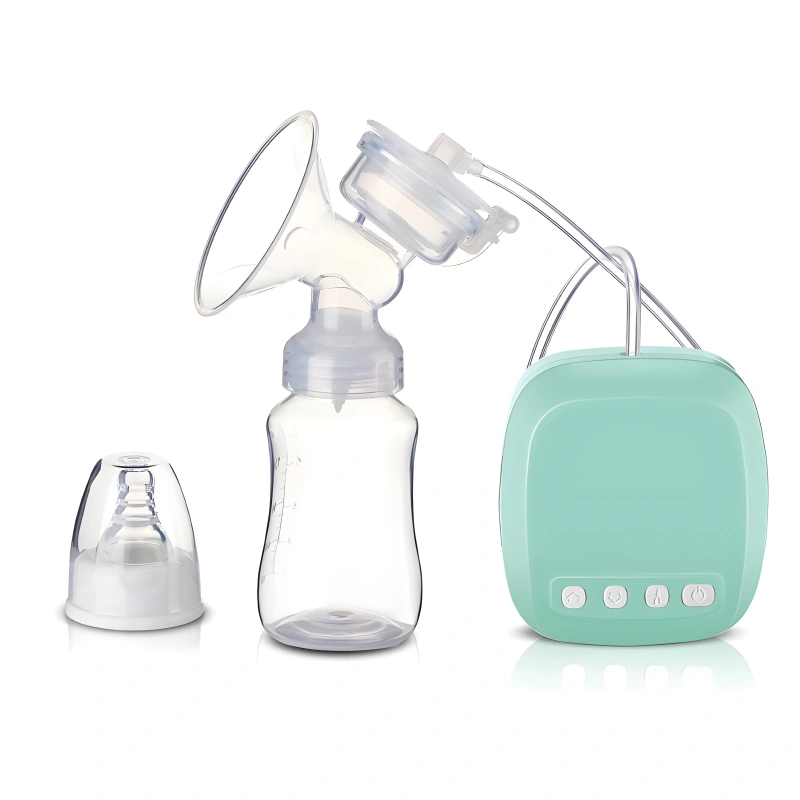
This is one of the most common frustrations Pakistani mothers share in new-parent communities on Facebook and WhatsApp. You buy a pump based on a recommendation, it arrives with no Urdu instructions, the suction setting is either too weak or painfully strong, and within three weeks you’re questioning whether the whole thing is worth it.
The electric breast pump Pakistan market has expanded dramatically since 2022. Brands like Medela, Spectra, Tommee Tippee, and locally available options from Mothercare Pakistan and Daraz now give mothers genuine choices. But more options also mean more confusion — especially when price ranges from Rs. 3,500 to Rs. 18,000 and product descriptions rarely explain what matters.
In this guide, you’ll learn exactly which features to prioritize, which brands Pakistani mothers trust most in 2026, what BPA-free breast pump price points actually reflect in quality, and how to use your pump correctly for maximum milk output and comfort.
What Is an Electric Breast Pump and How Does It Work?
An electric breast pump is a motorized device that mimics a baby’s natural nursing rhythm to extract milk from the breast using gentle, rhythmic suction. Unlike manual pumps that require hand-pumping, electric models automate suction cycles — reducing effort and allowing consistent, comfortable expression even during long sessions.
Modern electric breast pumps operate in two phases: stimulation mode (fast, light suction that triggers letdown) followed by expression mode (slower, deeper suction that draws out milk). This two-phase approach mirrors how a newborn naturally nurses — quick initial suckling to trigger milk flow, then slower, deeper pulls to drain the breast efficiently.
The most important technical distinction Pakistani mothers should understand is open system vs. closed system. In an open-system pump, there’s no barrier between the milk collection tubing and the motor — meaning milk particles and moisture can reach the motor, creating bacterial risk especially when pumps are shared or resold. Closed-system pumps have a physical barrier (diaphragm) that prevents this entirely. For hygiene and safety, always choose a closed-system electric breast pump in Pakistan.
Expert Insight: The World Health Organization (WHO) and UNICEF jointly recommend exclusive breastfeeding for the first six months of life. A 2024 UNICEF Pakistan report noted that only 47% of Pakistani infants under six months receive exclusive breastfeeding — with maternal return to work cited as a primary barrier. A reliable electric pump directly addresses this gap.
Which Electric Breast Pump Brands Are Available in Pakistan in 2026?
The electric breast pump Pakistan market now includes both internationally recognized brands and more affordable locally distributed options — each serving a different use case and budget.
Medela: The global benchmark for clinical-grade breast pumps. The Medela Swing Maxi (double electric) and Medela Solo (single electric) are the most searched premium options in Pakistan. Medela pumps use 2-Phase Expression technology, are closed-system, and come with BPA-free components throughout. Retail price in Pakistan: Rs. 12,000–18,000. Available through Mothercare Pakistan, Shifa International Hospital pharmacy, and select Daraz Mall sellers.
Spectra: South Korean brand increasingly popular among Pakistani lactation consultants. The Spectra S1 (rechargeable) and S2 (corded) are double electric, hospital-grade strength, and closed-system. Quieter than Medela at under 45 dB. Price range: Rs. 10,000–15,000. Growing availability through authorized importers on Daraz and Instagram baby boutiques.
Tommee Tippee: Mid-range option well-suited to Pakistani mothers pumping 1–2 times daily. Single electric, BPA-free, simple two-setting operation. Price: Rs. 5,500–8,000. Widely available and easier to find replacement parts for.
Unbranded / Chinese OEM Models: Priced Rs. 3,500–5,500, these flood Daraz listings with attractive photos and vague specifications. Most are open-system, use unclear plastic grades, and have motors that fail within 3–6 months of daily use. Avoid for primary pumping use.
Pro Tip: Pakistani lactation consultant communities (LCs certified through IBCLC — International Board Certified Lactation Consultant) consistently recommend Spectra S2 as the best value closed-system double electric pump available in Pakistan under Rs. 12,000. It’s the sweet spot between hospital-grade performance and realistic Pakistani household pricing.
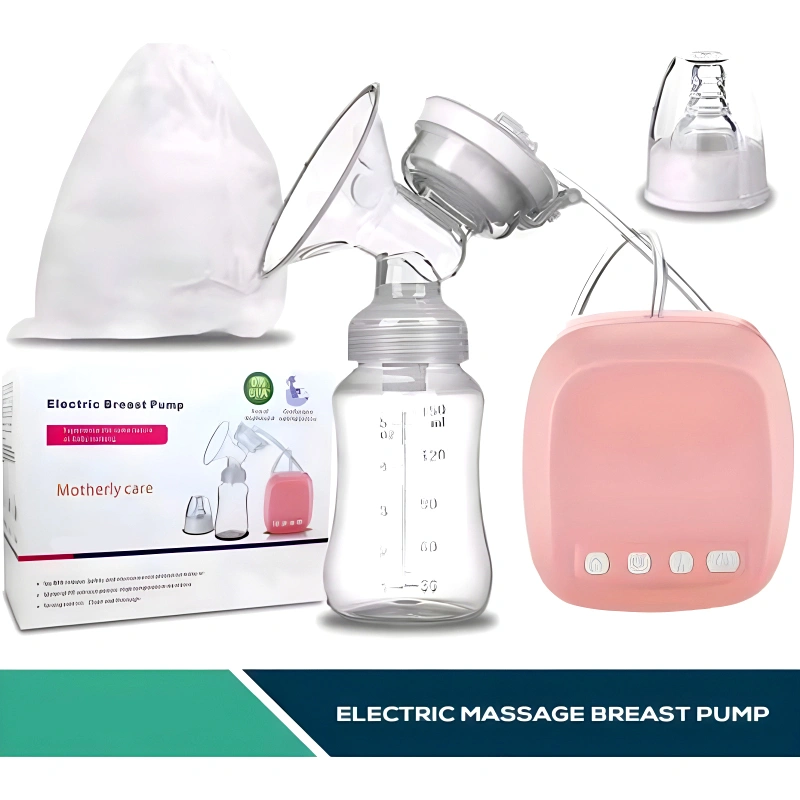
Powerful And Comfortable BPA-Free Electric Breast Pump With Strong Suction For Clean And Thorough Milk Extraction
What Is the BPA-Free Breast Pump Price Range in Pakistan in 2026?
BPA (Bisphenol A) is an industrial chemical found in many plastics that has been linked to hormonal disruption in infants. Every component that contacts breast milk — flanges, bottles, tubing, valves — must be BPA-free. This isn’t optional. It’s a baseline safety requirement.
Here’s what BPA-free breast pump prices in Pakistan actually reflect in 2026:
| Pump Type | Brand Examples | BPA-Free | System Type | Price (PKR) | Best For |
|---|---|---|---|---|---|
| Single Electric — Budget | Unbranded OEM | Unverified | Open | Rs. 3,500–5,500 | Occasional use only |
| Single Electric — Mid | Tommee Tippee, NUK | Yes | Open/Closed varies | Rs. 5,500–8,500 | 1–2x daily pumping |
| Double Electric — Mid | Spectra S2 | Yes | Closed | Rs. 10,000–13,000 | Working mothers, daily use |
| Double Electric — Premium | Medela Swing Maxi | Yes | Closed | Rs. 13,000–18,000 | High-demand / low supply |
| Wearable Electric | Elvie, Willow (imported) | Yes | Closed | Rs. 22,000–35,000 | Hands-free discreet use |
A critical note on BPA-free breast pump price verification: don’t trust a listing just because it says “BPA-free” in the title. Legitimate BPA-free products cite specific plastic grades — look for PP (Polypropylene), PPSU, or Tritan material callouts in specifications. These are the verified food-safe plastics. If a product just says “BPA-free” without naming the plastic grade, treat it with caution.
What Features Should You Prioritize When Buying an Electric Breast Pump in Pakistan?
Not all features are equal — some directly impact milk output and comfort, others are marketing add-ons. Here’s how to prioritize for Pakistani conditions and use cases.
Suction Strength and Adjustability: Hospital-grade pumps reach 250–300 mmHg of suction. Personal-use pumps typically max at 220–250 mmHg. More important than maximum suction is the range of adjustment — you need at least 8–10 suction levels to find your personal comfort threshold. Pumping through discomfort reduces milk output. A narrow suction range forces you to choose between too-weak and too-strong.
Motor Noise Level: This matters more than most Pakistani mothers realize before buying. If you’re pumping in a shared bedroom, during a sleeping baby’s nap, or in an office, a loud motor is a serious daily frustration. Spectra pumps operate under 45 dB (quieter than a library). Budget OEM pumps often reach 65–75 dB — comparable to a normal conversation. Check dB ratings before buying.
Battery / Rechargeable Option: Load-shedding is a real constraint in Pakistani cities. A pump that requires constant power outlet access becomes unusable during scheduled outages. The Spectra S1 includes a built-in rechargeable battery (the S2 does not — it’s corded-only). For Pakistani households, the S1 justifies its Rs. 2,000–3,000 price premium over the S2 for this reason alone.
H3: What Flange Size Do You Need? Flange (breast shield) sizing is the most overlooked factor in pumping comfort and effectiveness. The standard flange included with most pumps is 24mm or 27mm — but nipple diameters vary significantly. Using the wrong size causes pain, reduced output, and nipple damage. Medela and Spectra both offer sizing guides and sell replacement flanges in sizes from 17mm to 36mm. Measure your nipple diameter (not areola) and add 2–3mm for the correct flange size. Many Pakistani mothers report switching flange sizes as the single biggest improvement to their pumping experience.
How Do You Use an Electric Breast Pump Correctly for Maximum Output?
Correct technique doubles pumping output for most first-time users. This is not an exaggeration — improper use of an otherwise excellent pump produces disappointing results, and many mothers conclude their pump is defective when the real issue is technique.
Step-by-Step Guide for First-Time Pumping:
- Wash hands thoroughly before handling any pump components. Sterilize all milk-contact parts before first use.
- Assemble the pump correctly — ensure the valve/membrane is seated properly. A misaligned valve eliminates suction entirely.
- Center the flange over your nipple — your nipple should move freely in the tunnel without the areola being pulled in excessively.
- Start in stimulation mode — the fast, light suction phase. Run this for 2 minutes or until letdown begins (you’ll feel a tingling sensation and see milk flowing).
- Switch to expression mode — slower, deeper suction. Set to the highest comfortable level, not the highest possible level.
- Pump for 15–20 minutes per session — most milk is expressed in the first 10–12 minutes. Continuing past 20 minutes rarely adds significant output and increases nipple fatigue.
- Finish with manual compression — gently compress and massage the breast during the last 2 minutes of expression mode. This technique, called “hands-on pumping,” increases output by an average of 48% according to a Stanford University School of Medicine study (Dr. Jane Morton, 2009 — still the foundational reference for lactation professionals globally).
Pro Tip: Pump at the same times each day. Your body’s milk production responds to demand signals — consistent timing trains your supply more effectively than pumping at random intervals. Morning sessions (6–9 AM) typically yield 20–30% more milk than evening sessions due to higher prolactin levels overnight.
How Should You Clean and Maintain Your Electric Breast Pump in Pakistan?
Improper cleaning is the fastest way to contaminate expressed milk and shorten your pump’s lifespan. Pakistan’s water quality adds complexity — tap water in Karachi, Lahore, and Faisalabad contains mineral content and microbial load that standard rinsing doesn’t address.
After Every Pumping Session:
- Disassemble all milk-contact parts: flanges, connectors, valves, membranes, and bottles.
- Rinse immediately in cool water (never warm — warm water sets milk protein onto surfaces).
- Wash with a dedicated bottle brush and fragrance-free dish soap.
- Rinse thoroughly with clean water.
Daily Sterilization (Essential in Pakistani Conditions):
- Use an electric steam sterilizer or microwave sterilizer bag (both BPA-free options are widely available on Daraz).
- Alternatively, boil parts in clean water for 5 minutes — but only parts rated for boiling (check your pump’s manual; some membranes are not boil-safe).
- Air dry on a clean drying rack — never towel dry, as this transfers bacteria.
Tubing Care:
- Never wash tubing with water unless moisture has visibly entered it. Moisture in tubing grows mold rapidly.
- If moisture enters tubing, run the pump without flanges for 5–10 minutes to blow-dry from the inside, then hang to air dry completely.
H3: How Often Should You Replace Breast Pump Parts? Valves and membranes are the highest-wear components and directly impact suction efficiency. Replace valves every 4–8 weeks with daily use — a degraded valve reduces suction by up to 30%. Replace flanges every 3–6 months or immediately if cracking appears. Tubing should be replaced if any mold spots appear — mold in tubing cannot be fully sterilized and the tubing must be discarded.
Where Can You Buy a Genuine Electric Breast Pump in Pakistan?
Counterfeit and misrepresented breast pump listings are a documented problem in Pakistan’s e-commerce market — especially for premium brands like Medela, where fake units with non-BPA-free plastics and underpowered motors are sold at near-genuine prices.
PakMarkaz (pakmarkaz.pk): A curated source for mother and baby products where specifications — including BPA-free status, system type, and wattage — are listed clearly per product. For buyers who need to compare electric breast pump Pakistan options without sorting through thousands of unverified Daraz listings, a specialized store reduces counterfeit risk significantly.
Mothercare Pakistan: Brick-and-mortar stores in Karachi, Lahore, and Islamabad carry genuine Medela and Tommee Tippee stock. Prices are non-negotiable but authenticity is guaranteed. Sales staff can also advise on flange sizing — a service unavailable online.
Hospital Pharmacies: Shifa International, Aga Khan Hospital Karachi, and CMH hospital pharmacies stock Medela hospital-grade pumps and personal-use models. Pricing is typically 10–15% above retail but sourcing is verified.
Expert Insight: A 2025 survey by the Pakistan Paediatric Association (PPA) found that 34% of mothers who stopped exclusive breastfeeding before six months cited “difficulty pumping” as a contributing factor — not milk supply issues. Equipment quality and technique knowledge were identified as the primary addressable barriers.
Conclusion
Choosing the right electric breast pump in Pakistan isn’t about finding the most expensive option — it’s about matching the right pump to your specific situation, usage frequency, and budget.
Here are your four key takeaways:
- Always choose a closed-system, BPA-free pump — this is non-negotiable for safety and hygiene, especially if you plan to pump daily.
- Spectra S2 is the best-value double electric pump available in Pakistan for daily-use mothers; add the S1 if load-shedding is frequent in your area.
- Flange sizing and correct technique matter as much as pump quality — most output problems are technique issues, not equipment failures.
- The Rs. 10,000–13,000 BPA-free breast pump price range delivers hospital-adjacent performance for Pakistani working mothers without overpaying for wearable or premium imports.
Your commitment to breastfeeding deserves equipment that works with you, not against you.
Ready to find the right pump? Browse PakMarkaz’s verified electric breast pump collection — each listing includes BPA status, system type, suction range, and real customer feedback from Pakistani mothers.
Related reads:
- Best Baby Bottle Sterilizers in Pakistan 2026: Electric vs. Microwave
- Newborn Essentials Checklist Pakistan: What You Actually Need
- Breastfeeding Accessories Guide Pakistan: Nipple Cream, Nursing Pads & More
FAQs
Q1: What is the best electric breast pump available in Pakistan in 2026?
The Spectra S2 is widely recommended by Pakistani lactation consultants as the best value closed-system double electric breast pump in Pakistan, priced Rs. 10,000–13,000. For premium performance, Medela Swing Maxi offers hospital-grade suction at Rs. 13,000–18,000. For occasional use, Tommee Tippee single electric models at Rs. 5,500–8,000 are a practical mid-range choice.
Q2: What is the BPA-free breast pump price in Pakistan?
BPA-free breast pump prices in Pakistan start at Rs. 5,500 for verified single electric models and range to Rs. 18,000 for premium double electric options. Always confirm the plastic grade — look for PP, PPSU, or Tritan material callouts, not just “BPA-free” labeling. Listings without named plastic grades cannot be independently verified as genuinely BPA-free.
Q3: Is it safe to buy a second-hand electric breast pump in Pakistan?
Only closed-system pumps can be safely used by more than one person — and even then, all milk-contact parts (flanges, tubing, bottles, valves) must be replaced with new components. Open-system pumps should never be shared as milk and bacteria can contaminate the internal motor. Buying a used Spectra or Medela unit and replacing consumable parts is a legitimate cost-saving approach if the motor functions correctly.
Q4: How long should I pump with an electric breast pump each session?
Most mothers achieve full expression in 15–20 minutes per session. Pumping beyond 20 minutes rarely increases output significantly and increases nipple fatigue. Start in stimulation mode for 2 minutes to trigger letdown, then switch to expression mode for 12–15 minutes. Use hands-on pumping compression in the final 2 minutes. Stanford University’s lactation research shows this technique increases output by up to 48%.
Q5: How do I know if my electric breast pump has enough suction for my needs? Adequate suction feels like firm, rhythmic pressure — not pain. If pumping is painful at any suction level, your flange size is likely wrong. If output is consistently low despite correct technique and adequate hydration, test your pump’s suction strength using a commercial suction gauge, or have it assessed at a Medela or Spectra service center. Degraded valves and membranes reduce suction by up to 30% — replace these first before assuming the motor is failing.
Q6: Can I use an electric breast pump during load-shedding in Pakistan?
Yes — if your pump has a built-in rechargeable battery. The Spectra S1 includes a battery and can operate cordlessly for 3+ hours per charge. The Spectra S2 and most Tommee Tippee models are corded-only. Medela’s Swing Maxi can operate on AA batteries. For Pakistani mothers in cities with frequent load-shedding, the Spectra S1’s battery feature justifies its Rs. 2,000–3,000 premium over the S2.
Q7: Where can I buy replacement parts for electric breast pumps in Pakistan?
Medela replacement parts (flanges, valves, membranes, bottles) are available at Mothercare Pakistan locations and authorized Daraz Mall sellers. Spectra replacement parts are stocked by authorized importers on Daraz and Instagram baby stores. PakMarkaz carries a range of compatible accessories across brands. Always buy brand-original replacement parts — third-party valves and membranes frequently don’t create an adequate seal, reducing suction efficiency.
