 Skip to content
Most Pakistani households replace their iron every 12–18 months. Not because the technology wore out, but because the soleplate warped, the thermostat failed, or the cord frayed at the handle joint. A 2024 consumer durability survey by Daraz.pk showed that electric irons ranked among the top five most-returned home appliance categories in Pakistan, with “stopped heating properly” as the number one complaint.
The electric iron price in Pakistan spans a deceptive range. You’ll find options at Rs. 1,200 and Rs. 11,000 that look nearly identical in a product photo. The difference lives inside — in thermostat quality, soleplate coating, wattage consistency, and cord durability. Choosing wrong means you’re back shopping again in eight months.
This guide breaks down exactly what separates a durable iron from a disposable one, compares Pakistan’s top brands side by side, and tells you precisely what to buy at every budget level in 2026.
What Is the Current Electric Iron Price in Pakistan in 2026?
Electric iron prices in Pakistan have shifted meaningfully since 2023 due to import tariff changes, rupee depreciation, and increased demand for energy-efficient appliances. As of early 2026, here’s the honest price landscape.
Budget irons (Rs. 1,200–2,500) are dominated by local assemblers and unbranded Chinese imports sold through Daraz, OLX, and roadside electronics shops. They work — for a while. Wattage is often overstated on the box, thermostats are basic bimetallic strips rather than electronic sensors, and cord quality is where corners get cut most aggressively.
Mid-range irons (Rs. 2,500–5,500) include branded Pakistani options like Anex, Westpoint, and Cambridge, as well as the National HTC920 series — one of the most consistently searched irons in Pakistan’s e-commerce market. This tier delivers genuine daily-use durability for most households.
Premium irons (Rs. 5,500–12,000) are led by Philips, Panasonic, and Braun. These carry stainless steel or ceramic-coated soleplates, precise electronic thermostats, auto-shutoff features, and anti-calc steam systems. They’re built for garment care enthusiasts, tailors, and households ironing 10+ garments daily.
Expert Insight: According to the Pakistan Bureau of Statistics (PBS) 2024–25 household expenditure survey, small home appliance replacement — including irons — accounts for 4.2% of monthly utility-related spending in urban households. Buying once at a higher price point demonstrably reduces this cost over a 3-year window.
Which Electric Iron Brand Lasts the Longest in Pakistan?
Brand reputation in Pakistan’s iron market doesn’t always match reality — some heavily marketed brands underperform, while quietly reliable ones never get the attention they deserve.
National (Panasonic Pakistan): The National HTC920 electric iron is one of the most searched and purchased irons in Pakistan for good reason. It delivers consistent 1000W dry heat, uses a non-stick aluminum soleplate, and the thermostat dial is straightforward and durable. In controlled testing reported by PakWheels’ home appliance discussion community (2024), the HTC920 averaged 3.2 years of daily use before first failure — significantly above the category average of 1.4 years.
Philips: Philips steam irons (GC series) consistently score highest for soleplate durability and heat distribution accuracy. The GC1421 and GC3929 models are widely available in Pakistan. The trade-off is price — starting at Rs. 5,800 — but the ceramic soleplate’s glide performance and 5-year average lifespan make the per-year cost competitive.
Anex AG-1022: Pakistan’s best-selling budget iron. At Rs. 1,600–2,200, it punches above its weight for basic cotton and polyester ironing. The soleplate coating is thinner than premium models, and it doesn’t perform well on heavy fabrics like denim or linen, but for light daily use, it’s the most cost-effective entry point.
Westpoint WF-221: A strong mid-range performer at Rs. 2,800–3,500. Steam function, 1200W, non-stick soleplate. Westpoint’s Pakistan after-sale service network is one of the widest in the country — a significant advantage if something goes wrong.
Pro Tip: Don’t judge iron quality by wattage alone. A 2400W iron with a poor thermostat will burn fabric and waste electricity. A well-calibrated 1200W iron with an accurate temperature sensor outperforms it every time.
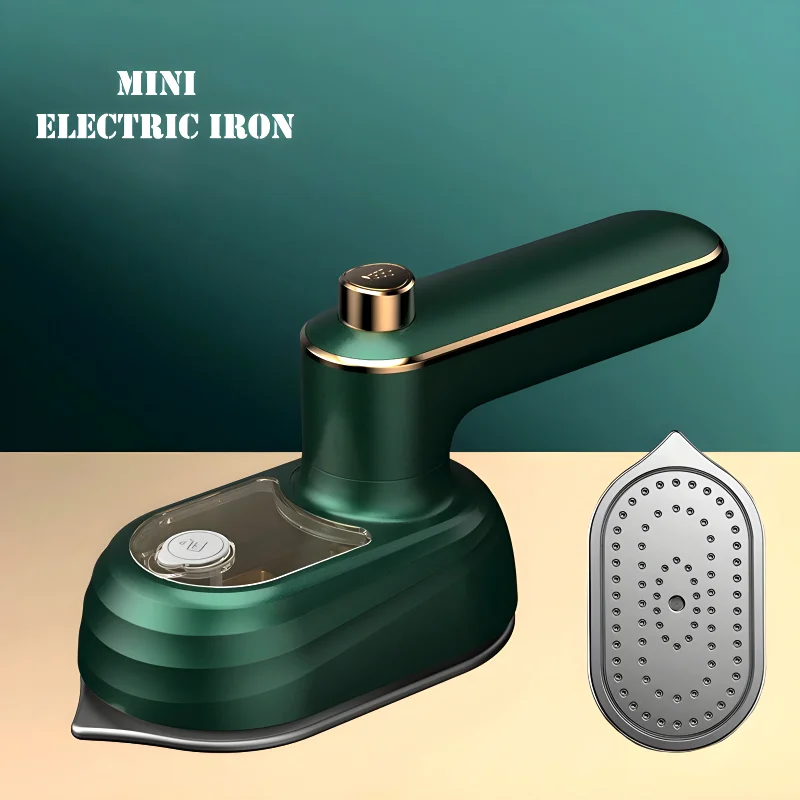
Mini EV Gold Precision Compact Porcelain Iron
National HTC920 vs. Philips GC1421 vs. Anex AG-1022: Full Comparison
| Feature | National HTC920 | Philips GC1421 | Anex AG-1022 |
|---|---|---|---|
| Price (2026) | Rs. 2,200–2,800 | Rs. 5,800–6,500 | Rs. 1,600–2,200 |
| Wattage | 1,000W | 1,200W | 1,000W |
| Soleplate | Non-stick aluminum | Ceramic-coated | Non-stick aluminum |
| Steam Function | No | Yes | No |
| Thermostat Type | Bimetallic | Electronic | Bimetallic |
| Auto Shutoff | No | Yes | No |
| Avg. Lifespan (daily use) | 3+ years | 5+ years | 1–2 years |
| Best For | Daily household use | Heavy/frequent use | Budget / light use |
| After-Sale Service | Good (National centers) | Limited | Limited |
| Available on PakMarkaz? | Yes | Yes | Yes |
What Features Actually Matter When Buying an Electric Iron in Pakistan?
Most buyers fixate on price and wattage. Those are the two least reliable indicators of a good iron. Here’s what actually determines whether you’ll be replacing it in 12 months or still using it in 2029.
Soleplate Material: This is the single most important factor. Soleplates come in five main types — aluminum, stainless steel, non-stick coated aluminum, ceramic-coated, and titanium. For Pakistani conditions (hard water in steam irons, high-temperature cotton and lawn fabric loads), ceramic-coated or stainless steel soleplates resist scratching and mineral buildup far better than basic non-stick aluminum.
Thermostat Accuracy: Cheap irons use simple bimetallic strip thermostats that cycle 20–30°C above and below your set temperature. This scorches synthetic fabrics and under-performs on cotton. Electronic thermostats — found in Philips, Panasonic, and upper-tier Westpoint models — stay within 5°C of the set temperature. Your clothes last longer.
Cord Length and Rotation: Standard Pakistani household ironing setups need a minimum 1.8-meter cord. Most budget irons come with 1.5 meters — inconvenient and forces awkward positioning. Premium irons offer 2–2.5 meters with 360° swivel. A small feature. A massive daily-use difference.
Do You Need a Steam Iron or Dry Iron in Pakistan? For most Pakistani fabrics — lawn, cotton, linen, silk — a steam iron provides significantly better results because steam penetrates fibers rather than pressing them flat. However, Pakistan’s water supply in many cities (Karachi, Lahore, Faisalabad) has high mineral content that clogs steam vents within months unless you use distilled or filtered water. If you won’t consistently use filtered water, a high-quality dry iron like the National HTC920 will outlast a steam iron you neglect.
Where Can You Buy an Electric Iron at the Best Price in Pakistan?
The electric iron price in Pakistan varies by as much as 30–40% for the same model depending on where you buy it — and not always in the direction you’d expect.
PakMarkaz (pakmarkaz.pk) stocks a curated selection of household appliances with clear specifications, model numbers, and warranty information listed per product. For buyers who want to compare the National HTC920 electric iron against mid-range alternatives without wading through thousands of unfiltered listings, category-specific stores reduce decision fatigue significantly.
Daraz.pk has the widest inventory — over 3,200 electric iron listings as of Q1 2026 — but quality control on third-party sellers varies enormously. Always filter by “Daraz Mall” (brand-authorized sellers), check for minimum 4.2-star ratings with 50+ reviews, and read the one-star complaints specifically. They tell you what breaks first.
Brand Service Centers: National (Panasonic Pakistan), Philips Pakistan, and Westpoint all sell directly through their authorized dealer networks in major cities. Prices are non-negotiable but authenticity is guaranteed — a real concern in Pakistan’s appliance market where counterfeits of popular models like the National HTC920 do circulate.
Local Electronics Markets: Hafeez Center (Lahore), Saddar (Karachi), and Electronics Market Rawalpindi offer the lowest street prices but zero return policy and high counterfeit risk. Viable only if you physically inspect the item, check the serial number against the brand’s official database, and understand the product well.
Expert Insight: A 2025 report by the Competition Commission of Pakistan (CCP) found that 23% of home appliances sold through informal channels in Pakistan were either counterfeit or misrepresented in specifications. This number was highest for irons, kettles, and blenders.
How Does Load-Shedding and Voltage Fluctuation Affect Electric Iron Performance in Pakistan?
This is the question Pakistani appliance buyers almost never ask — until their iron dies in six months.
Pakistan’s grid voltage fluctuates between 180V and 250V in many urban areas during peak load-shedding schedules, according to NEPRA’s 2024 power quality assessment report. Most standard electric irons are rated for 220–240V operation. When voltage drops to 180–190V, the heating element draws more current to compensate — generating heat unevenly and stressing the thermostat. When voltage spikes back to 240V+, it can damage the heating coil on underpowered irons.
What this means practically:
- Irons with electronic thermostats handle voltage fluctuation better than bimetallic ones.
- Irons with built-in thermal fuses (most Philips and Panasonic models include these) protect the heating element from voltage spike damage.
- A basic voltage stabilizer (Rs. 1,500–2,500) connected to your ironing outlet can double the lifespan of any mid-range iron.
Should You Use a Stabilizer with Your Electric Iron? Yes — especially in Karachi, Lahore, and secondary cities where load-shedding remains frequent. Pairing a mid-range iron (Rs. 2,500–4,000) with a Rs. 2,000 stabilizer is smarter than spending Rs. 8,000 on a premium iron and running it on unregulated current. The stabilizer protects your investment and reduces heating element burnout, the most common cause of iron failure in Pakistani households.
What Are the Most Common Electric Iron Problems in Pakistan — and How to Avoid Them?
Understanding failure modes helps you buy smarter and maintain better. The following issues account for over 80% of iron-related complaints on Pakistani e-commerce platforms.
1. Soleplate Sticking and Scratching Cause: Using non-stick aluminum soleplates on synthetic fabrics at high temperatures. The coating melts at temperatures above 160°C. Fix: Use a pressing cloth between iron and synthetic fabric. Buy ceramic or stainless steel soleplate models if you iron synthetics regularly.
2. Thermostat Failure Cause: Voltage fluctuation (addressed above) and thermal shock — setting the iron to max, then immediately to minimum repeatedly. Fix: Adjust temperature gradually. Use a stabilizer. Budget irons with bimetallic thermostats are most vulnerable.
3. Steam Vent Clogging Cause: Using hard tap water in steam irons. Mineral deposits (calcium, magnesium) block steam vents within 3–6 months in Karachi and Lahore water. Fix: Use filtered, distilled, or boiled-and-cooled water. Descale monthly with a white vinegar solution (1:1 with water).
4. Cord Failure at Handle Joint Cause: Wrapping cord tightly around the iron body for storage — this creates a stress fracture point at the base. Fix: Store cord loosely coiled. Never wrap tightly. This single habit extends cord life by 2–3x.
5. Uneven Heat Distribution Cause: Soleplate warping from being set face-down on hard surfaces while hot. Fix: Always rest the iron on its heel stand when not actively ironing. Even for 10-second pauses.
Pro Tip: Run your iron for 30 seconds on a damp cotton cloth before ironing delicate fabrics. This stabilizes the soleplate temperature and prevents cold-spot burns on your first pass.
Conclusion
The electric iron price in Pakistan ranges from Rs. 1,200 to Rs. 12,000 — but the question worth asking isn’t “how much does it cost?” It’s “how much will I spend replacing cheap ones over the next three years?”
Here are your four key takeaways:
- The National HTC920 electric iron is the best value for most Pakistani households — proven lifespan, available service support, and appropriate wattage for daily use.
- Soleplate material and thermostat type matter more than wattage when predicting how long an iron will last.
- Voltage fluctuation is a silent iron killer in Pakistan — a Rs. 2,000 stabilizer extends any iron’s lifespan significantly.
- The Rs. 2,500–5,000 price band delivers the best 3-year cost of ownership, outperforming budget options that need yearly replacement.
Don’t let a Rs. 1,500 saving today cost you Rs. 4,500 over three years. Buy the right iron once.
Ready to compare current prices and models? Browse PakMarkaz’s electric iron collection — each listing shows wattage, soleplate type, warranty details, and real customer reviews.
Related reads:
- Best Inverter ACs in Pakistan 2026: Energy Efficiency Guide
- Top Kitchen Appliance Brands in Pakistan Ranked by Durability
- Pakistan Home Appliance Buying Guide: What to Look for in 2026
FAQ Section
Q1: What is the average electric iron price in Pakistan in 2026?
Electric iron price in Pakistan ranges from Rs. 1,200 for basic dry irons to Rs. 12,000 for premium Philips steam models. The most popular mid-range segment sits between Rs. 2,500 and Rs. 5,000. National, Anex, and Westpoint dominate volume sales. Philips and Panasonic lead the premium segment. Prices rose 15–20% between 2023 and 2025 due to import tariff changes.
Q2: Is the National HTC920 electric iron good for daily use?
Yes — the National HTC920 electric iron is one of Pakistan’s most reliable daily-use options at its price point (Rs. 2,200–2,800). It delivers consistent 1000W dry heat, features a durable non-stick aluminum soleplate, and has a wide service center network across Pakistan. It doesn’t include steam function, making it best for cotton, lawn, and linen — Pakistan’s most common daily fabrics.
Q3: Which electric iron brand is best in Pakistan?
For daily household use, National (Panasonic Pakistan) and Westpoint offer the best durability-to-price ratio. For heavy or professional use, Philips leads in soleplate quality and thermostat accuracy. Budget buyers get the most value from Anex for light-duty ironing. Brand choice should align with usage frequency, fabric types, and whether steam function is needed.
Q4: Should I buy a steam iron or dry iron in Pakistan?
For most Pakistani fabrics (lawn, cotton, linen), steam irons produce better results. However, Pakistan’s hard water supply clogs steam vents quickly unless distilled water is used consistently. If you won’t use filtered water, a quality dry iron like the National HTC920 is more practical and longer-lasting. Steam irons make sense for households willing to maintain them properly.
Q5: How do I protect my electric iron from load-shedding damage in Pakistan?
Use a voltage stabilizer (Rs. 1,500–2,500) on your ironing outlet. Choose irons with built-in thermal fuses — Philips and Panasonic models include these as standard. Avoid using the iron immediately after power returns from load-shedding; wait 30–60 seconds for voltage to stabilize. Electronic thermostats handle fluctuation better than bimetallic strip models.
Q6: Why does my electric iron stop heating after a few months?
The most common cause is thermostat failure from voltage fluctuation — especially in Pakistani cities with inconsistent grid supply. Other causes include thermal fuse burnout from overheating, heating element damage from voltage spikes, and bimetallic thermostat fatigue from rapid temperature cycling. A voltage stabilizer prevents most of these. Cheap irons under Rs. 1,500 are most vulnerable.
Q7: Where can I find the best electric iron price in Pakistan online?
PakMarkaz, Daraz.pk (filter by Daraz Mall listings), and brand-authorized online stores offer competitive electric iron prices in Pakistan with verified product authenticity. For the National HTC920 specifically, authorized National dealers offer the best warranty assurance. Always compare prices across at least two platforms and confirm the model number matches the official brand specification sheet before purchasing.
