 Skip to content
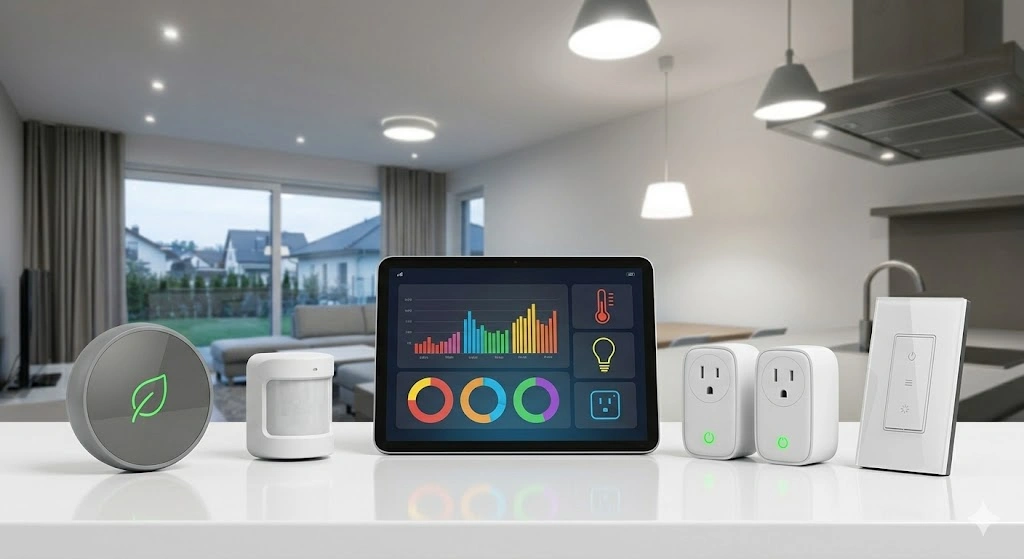
Have you ever opened your electricity bill and wondered how much of that energy was wasted — and how much you might have saved with smarter tech?
As energy prices climb globally and more homes adopt connected technology, the intersection of smart home energy saving devices and home automation energy control has become one of the most practical ways to reduce electricity costs in 2026. Imagine a home that actively thinks about when to run appliances, when to cool or heat rooms, and when to kill power completely — without you lifting a finger.
In this comprehensive guide, you’ll learn which smart technologies truly save electricity, how much you can realistically expect to cut from your bill, real-world examples of savings, and actionable strategies to implement immediately. Whether you’re a business owner, an eco-conscious homeowner, or simply curious about cost‑effective home automation, this post will give you clarity and confidence to make smart investments.
What Are Smart Home Energy Saving Devices — and Why Do They Matter?
Smart home energy saving devices are intelligent tools and gadgets designed to monitor, automate, and optimize energy usage in residential settings. Instead of flipping switches manually or leaving appliances running by default, smart systems use sensors, schedules, and automation rules to make decisions that reduce electricity waste and save money over time.
By integrating these devices into a cohesive home automation energy control system, you don’t just automate convenience — you cut costs and carbon emissions. For example, smart thermostats learn your routine and keep your HVAC system from working overtime when no one is home, often reducing heating and cooling costs by 10–12%.
Real‑World Impact: According to multiple industry reports, smart energy management systems can reduce overall home electricity consumption by up to 30% when properly configured and integrated.
Pro Tip: Before buying any gadget, think about what energy problem it solves — i.e., scheduling, monitoring, standby reduction — rather than how “smart” it looks.
In the next sections, we’ll turn these high‑level insights into practical deployments and clear device recommendations.
How Much Can Smart Home Devices Really Save on Your Electricity Bill?
Here’s the reality most homeowners want: Do these devices put real money back in your pocket? The short answer: yes — but results vary based on your home, habits, and device strategy.
Smart Savings Breakdown
- Smart Thermostats: Typically 10–12% savings on heating and cooling costs through adaptive scheduling and occupancy awareness.
- Smart Lighting Systems: Smart lighting (with occupancy sensors and automated dimming) can reduce lighting energy consumption by up to 35% compared to traditional bulbs.
- Smart Power Strips: Help eliminate “phantom load” from devices in standby, saving up to $100 per year in electricity costs.
Across multiple reports, comprehensive smart home energy systems — including thermostats, lighting, and automation — show potential energy bill reductions of 20–30% annually.
Example Case: A family of four in a mid‑sized home in the U.S. replaced their old thermostat with a smart model and synchronized all lighting and plug‑in loads. Over 12 months, they saw a 27% drop in electricity use, translating to roughly $350 in annual savings — without lifestyle sacrifices.
Expert Insight: Savings scale with engagement. Passive installations (smart bulbs alone) help. The biggest wins come when devices communicate, automate, and respond to real usage patterns.
What Are the Top Smart Home Energy Saving Devices You Should Buy in 2026?
Let’s turn theory into a real shopping and installation list. Here are the most impactful smart electricity saver gadgets that deliver measurable results.
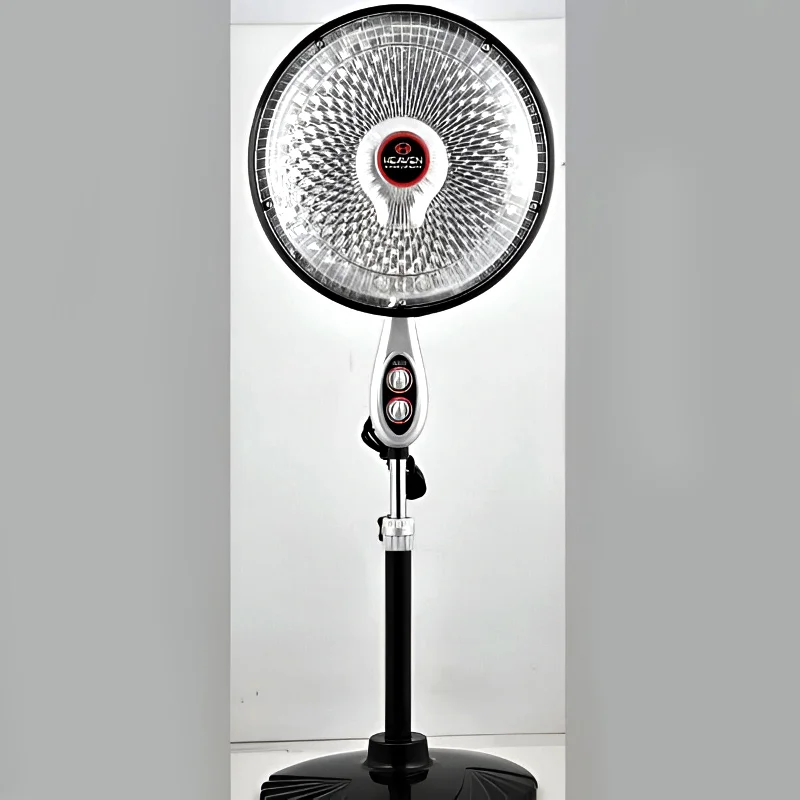
HEAVEN Eco-Friendly Halogen Heater with Stand
Smart Thermostats — The Heart of Energy Control
Smart thermostats like Nest, Ecobee, and Honeywell learn your habits, sense when the home is empty, and adjust heating/cooling accordingly. They don’t just follow a schedule — they adapt it in real time based on occupancy, weather, and utility rates.
Why They Matter: HVAC systems account for a large portion of residential energy use. Cutting runtime without sacrificing comfort directly lowers bills.
Actionable Tip: Set “eco mode” for when the house is empty and use geofencing so the system knows when you leave/return.
Smart Plugs & Power Strips — Kill Phantom Loads
Many devices draw “vampire” electricity even when turned off. Smart plugs and strips force a true off state, automate schedules, and can be grouped by rooms or device types.
Example: Automate entertainment systems to shutdown completely at midnight, saving annual standby energy and eliminating waste.
Quick Win: Identify the biggest idle devices in your home using energy monitoring plugs, then schedule automatic shutoffs.
Occupancy & Motion Sensors — Lights That Know When You’re Gone
Manual habits are inconsistent — humans forget. Occupancy sensors take care of that by triggering lights only when needed, and turning everything off when rooms are unoccupied.
Quick Tip: Install in high‑use areas like hallways and bathrooms for maximum ROI.
Smart Lighting & Bulbs — Control Meets Efficiency
Smart LED bulbs paired with automation rules (dim when idle, off at bedtime) deliver deeper savings than basic LEDs alone. With remote scheduling and scene settings, you only light rooms you’re using.
Whole‑Home Energy Monitors — Visibility is Everything
Installing a smart energy monitor at your electrical panel gives real‑time insights into where power is going. That visibility allows targeted action on leaks and waste — which typically account for 5–10% of total electricity usage.
Pro Tip: Use monitor insights to prioritize which rooms or circuits to automate first.
How Does Home Automation Energy Control Maximize Savings?
Smart devices are powerful on their own — but networked automation takes them to the next level.
Automated Schedules vs. Reactive Systems
Instead of manually setting each device’s schedule, automation can respond to triggers like:
- Room occupancy
- Time of day
- Weather conditions
- Variable utility rates
This turns your home into a dynamic energy manager that optimizes usage — often saving significantly more than devices running independently.
Case Study: Homeowners who configured their lighting, heating, and plug‑in circuits to auto‑adjust based on presence and daylight saw energy savings jump from a simple 15% average to over 28% annually.
Integrating Solar & Battery Storage
In 2026, many smart systems now tie into on‑site solar generation and battery storage. Smart automation can prioritize self‑generated power for high usage periods and charge batteries during cheap or abundant energy windows.
Expert Insight: Homes with robust automation and solar integration can effectively reduce peak grid consumption — the most expensive electricity — and accelerate payback on both smart devices and solar investments.
Common Mistakes People Make With Smart Home Energy Tech
Getting savings isn’t automatic — there are pitfalls:
Overbuying Uncoordinated Gadgets
Buying random smart devices without a central control strategy often results in higher electricity use due to phantom loads and ineffective automations.
Ignoring Behavior Change
Smart tech doesn’t eliminate habits — it augments them. Monitor patterns and tweak rules regularly to capture continuous savings.
Not Tracking Real Data
Without actual energy monitoring, you’re guessing. Use tracking dashboards and reports to validate savings and refine setups.
What’s the ROI on Smart Home Energy Devices?
Expect upfront costs for devices, but many pay for themselves in 12–36 months depending on energy prices, device types, and automation depth.
Example ROI:
- Smart thermostat — payback ~1.5 years
- Smart plugs & strips — <1 year
- Energy monitor + solar integration — 2–3 years
Key takeaway: While ROI varies, well‑implemented smart automation consistently moves from premium feature to energy investment with tangible returns.
Conclusion: The Smart Path to Lower Bills & Better Performance
In 2026, the era of smart home energy saving devices is no longer experimental — it’s practical, measurable, and accessible. Whether you start with a thermostat, a set of smart plugs, or a whole‑home automation system, the goal is simple: use less energy, smartly. Combine devices with proactive automation and visibility tools to maximize savings, comfort, and convenience.
➡️ Your next step: Start with an energy audit — digital or professional — to identify the biggest waste before buying anything. Then automate what wastes the most first.
FAQ
1. Do smart home devices actually reduce electricity bills?
Yes — when part of a coordinated home automation energy control strategy, smart devices can reduce household energy costs by 20–30% or more, depending on usage patterns and system integration.
2. Are smart electricity saver gadgets worth the investment?
They are most worth it when you pair them with monitoring and scheduling — standalone gadgets without automation often deliver smaller savings.
3. What should I automate first for energy savings?
Start with HVAC (thermostats), then lighting and plug‑in loads, followed by whole‑home monitoring.
4. Do smart devices consume electricity themselves?
Yes — each device consumes power but the overall savings typically outweigh the device’s energy use when automation is configured properly.
5. Is professional installation necessary?
For basic automation, no. But for integrated systems and solar + storage, professional setup ensures optimal savings.
