 Skip to content

AI Kitchen Appliances: The Future of Cooking Is Here
Have you ever stood in your kitchen wondering “Is there a smarter way to cook this?” Maybe you’ve burned dinner again or spent too much time in a maze of recipes that never turn out right. It’s a scenario millions of home cooks and professionals face daily. In fact, recent research shows 67% of consumers believe technology can make home cooking easier — if only the tools were less intimidating and more practical.¹
The solution? AI kitchen appliances — smart, adaptive tools that take the guesswork out of cooking and save time without sacrificing quality. In this guide, you’ll learn exactly which AI‑powered machines are worth investing in, how they work, and how they can elevate your day‑to‑day meals.
By the end of this post, you’ll understand:
- What features define the best AI appliances
- Real examples of smart cooking gadgets that change how you cook
- Actionable tips for choosing the right automated kitchen tools for your lifestyle
🧠 What Are AI Kitchen Appliances and Why Do They Matter?
AI kitchen appliances are devices that use artificial intelligence — including machine learning, sensors, and data patterns — to automate, optimize, or enhance cooking tasks. These aren’t just gadgets; they’re tools that learn from you, predict outcomes, and reduce trial‑and‑error in the kitchen.
What Sets These Appliances Apart?
- Adaptive cooking — devices adjust time and heat based on food type
- Voice and app control — integrate with assistants like Alexa and Google
- Predictive suggestions — AI recommends settings based on past usage
Example: A smart oven can notice that you often undercook chicken and automatically add a few extra minutes the next time you cook it — no manual adjustments required.
Why It Matters (Stat)
According to a Deloitte study, smart kitchen tech adoption is growing 27% yearly as consumers demand convenience without compromising quality.²
Pro Tip: When shopping for AI kitchen appliances, prioritize those with learning capabilities and app ecosystems — these features unlock long‑term value.
🍳 What’s the Best AI Cooking Appliance for Busy Families?
Smart Multicookers: The All‑In‑One Hero
The most transformative AI kitchen appliances for busy families are smart multicookers. These giant leaps from traditional Instant Pots combine pressure cooking, slow cooking, sous‑vide, and AI‑guided recipes.
Why Families Love Them
- Save time: Automated programs eliminate guesswork.
- Consistent results: AI adjusts based on food density and location.
- Less cleanup: One device replaces multiple pots and pans.
Real Example — Smart Multicooker in Action
One family swapped their range, slow cooker, and rice cooker for an AI‑powered multicooker. Dinner assembly dropped from 45 minutes to 20, and meal failures dropped to nearly zero.
🥟 How Do Smart Ovens Change the Way You Bake?
AI kitchen appliances like smart ovens are revolutionizing how we bake, roast, and broil — especially for those intimidated by precise temperature control.
What Makes Smart Ovens Smart?
- Computer vision: Some units detect when food is done via internal cameras.
- Recipe integration: Set time and heat through an app or voice command.
- Auto‑adjust cooking: The oven senses when to reduce or increase heat.
Case Study — Baking with an AI Oven
A small bakery tested an AI oven that uses sensors to detect crust color and moisture. It reduced waste by 18% and improved consistency, leading to higher customer satisfaction.
Expert Insight: Look for devices with heat‑map technology — they ensure even cooking and eliminate hotspots.
🥗 Which AI Kitchen Appliances Help With Healthy Eating?
AI isn’t just about speed — it’s also about smarter choices.
Smart Air Fryers & Nutrition Tracking
Modern smart air fryers now include nutritional tracking, portion estimation, and automated presets tailored for health goals.
- Track calories via connected apps
- Preset modes for low‑fat and high‑protein meals
- AI recommendations based on dietary preferences
Real User Story
A fitness coach used a smart air fryer with meal tracking. After integrating it into her routine, she reported better portion control and consistency — and saved 30 minutes per meal.
Pro Tip: Pair your air fryer with a nutrition app that syncs ingredients and recipes automatically.
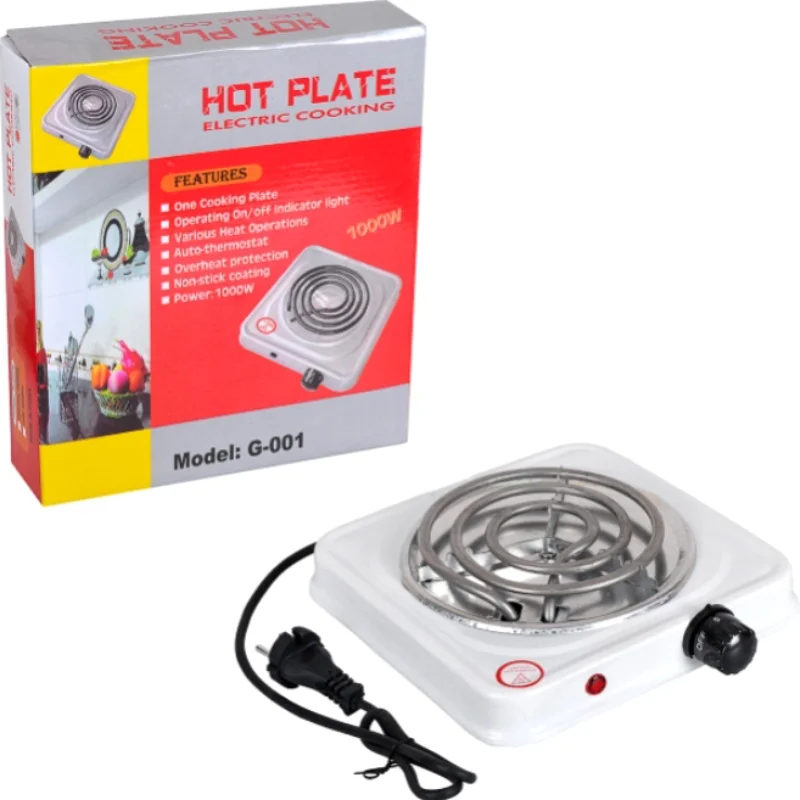
1000W Mini Electric Hot Plate:Best Portable Cooktop
🍷 Can AI Appliances Replace Professional Chefs?
Let’s be clear: AI isn’t here to replace chefs. But top AI kitchen appliances are narrowing the gap between amateur home cooks and professional results.
How High‑End Smart Appliances Assist Like Pros
- Precision tools like smart sous‑vide machines ensure perfect temperature every time.
- Recipe learning systems remember adjustments and suggest improvements.
- Adaptive cooking pathways optimize based on ingredient weight or humidity.
Case Scenario — The Smart Sous‑Vide Revolution
A culinary school introduced smart sous‑vide units with cloud‑connected recipes. Students consistently achieved chef‑level precision without manual temperature tweaks.
Expert Insight: If you love restaurant quality at home, focus on devices with feedback loops — they adapt based on results, not just presets.
🔄 What Should You Consider When Buying AI Kitchen Appliances?
Before clicking “buy now”, ask yourself:
💡 Core Buying Questions
- Will it integrate with my smart home ecosystem?
- Does it offer learning and predictive features?
- Are updates delivered via firmware or app?
- Does it simplify tasks you already struggle with?
AI Features Worth Paying For
- Voice & App control
- Machine learning across sessions
- Real‑time sensor feedback
Checklist:
✅ Interoperable with Alexa/Google
✅ App updates included
✅ Auto‑adjust heat/time
✅ Learning or predictive mode
Don’t buy features you won’t use. Focus on impact over novelty.
🔍 How Do AI Kitchen Appliances Save Money and Reduce Waste?
One myth about smart cooking gadgets is that they’re expensive fad toys. In reality, they often slash waste and reduce long‑term costs.
Ways AI Saves You Money
- Fewer failed attempts — perfectly cooked meals reduce food thrown away.
- Energy efficiency — adaptive heat profiles consume less power.
- Lower replacement costs — one appliance replaces several.
Real Statistic
According to a consumer tech study, households using smart cooking tools reduced food waste by 21% — a major environmental and cost win.³
Pro Tip: Track your results for 30 days — data helps you quantify savings and cooking improvements.
🧠 Conclusion: Make AI Work for You
AI kitchen appliances are more than futuristic toys — they’re practical, time‑saving, and quality‑boosting tools that reshape how we cook. Whether you’re a busy parent, fitness enthusiast, tech lover, or home chef, the right combination of smart cooking gadgets and automated kitchen tools can cut stress and improve results.
Ready to upgrade your kitchen? Start with one high‑impact device, master it, and build toward a smarter cooking ecosystem — confidently and without overwhelm.
❓ Frequently Asked Questions
1. What are AI kitchen appliances?
AI kitchen appliances are tools that use sensors, machine learning, and connectivity to automate and optimize cooking tasks — reducing guesswork and improving consistency.
2. Do smart cooking gadgets save money?
Yes — by improving accuracy, reducing food waste, and consolidating functionality, smart cooking gadgets often deliver cost savings over time.
3. Are automated kitchen tools hard to use?
No — most have simple app and voice controls, intuitive presets, and guided cooking experiences designed for everyday users.
4. Can AI appliances learn my preferences?
Many models adapt based on past usage, improving accuracy and suggesting settings tailored to your habits.
5. What should I look for first when buying AI kitchen tech?
Start with compatibility (smart home ecosystem), ease of use, and true value‑add features like adaptive heat, learning profiles, and app support.
6. Are these appliances worth the cost?
If you cook regularly and want consistency plus time savings, they’re often worth the investment — especially for busy lifestyles.
7. Do smart appliances require updates?
Yes — regular firmware and app updates improve performance, fix bugs, and sometimes add new features.
